
Boutalhiadil@gmail.com
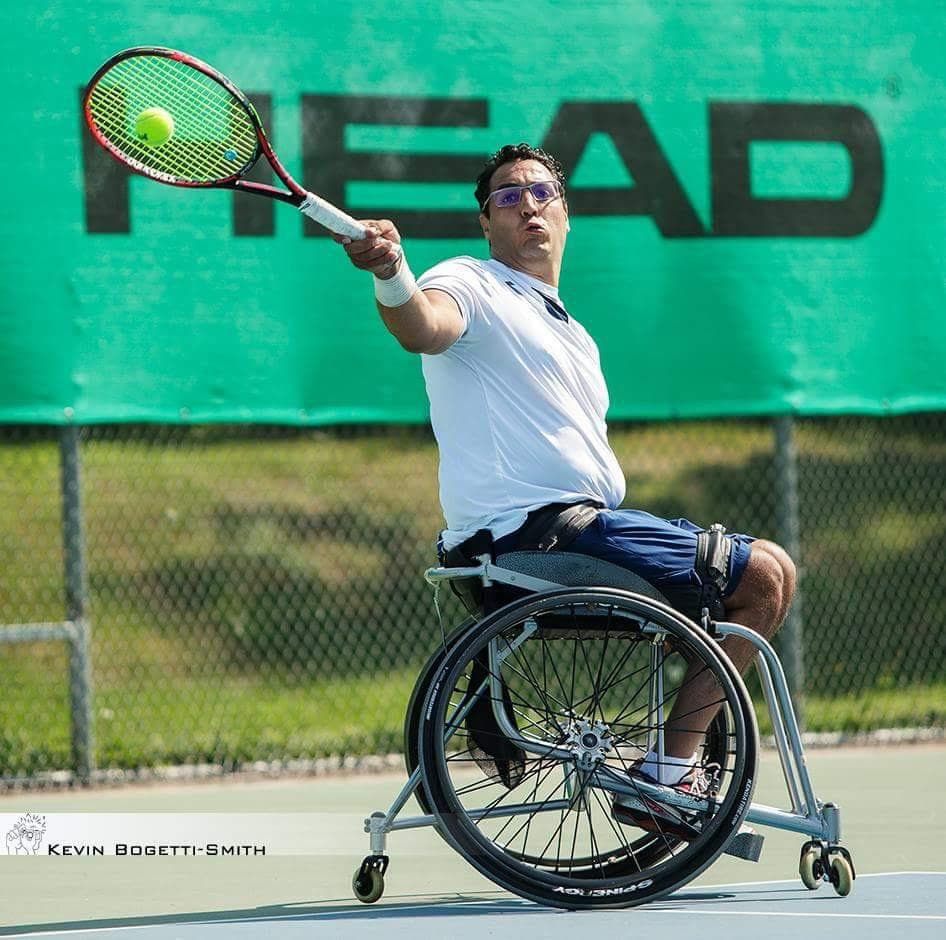
Twelve Bullets, One Dream
The authentic journey of Adil Boutahli: from his roots in Morocco to the 2014 tragedy, rebirth on international courts, and the mission toward Los Angeles 2028.
“The bullets changed my body, but they never destroyed my dreams.”
— Adil Boutahli (عادل بوطحلي)The Full Story: 12 Bullets, One Dream
Twelve Bullets, One Dream
Adil Boutahli shares the firsthand account of the January 10, 2014 shooting, surviving 12 bullets, 3 weeks in a coma, and the grueling rehabilitation that forged his path to international tennis champion.
Roots in Morocco
My life began in Fes, Morocco, on February 7, 1985. I was born to Mohammed Boutahli and Hafida Bouyaflane. I grew up alongside my only sister, Hasnae, who still lives in Morocco today.
My father worked in education, while my mother worked in student services at a military base. Their hard work, discipline, and dedication had a tremendous influence on my life. They taught me the importance of respect, education, and perseverance.
In 1990, my family moved to the beautiful city of Ifrane in search of better opportunities. Known for its mountains, forests, and cold winters, Ifrane became the place where I spent most of my childhood and teenage years.
I attended elementary school, middle school, and high school in Ifrane. I studied in Hay Riad, Hay Essalam, and later at Allal El Fassi High School, where I eventually earned my high school diploma in 2006.
After graduating, I pursued higher education at the PIGIER French Institute, where I studied Information Management Systems between 2006 and 2008 and earned my associate degree.
Sports played a major role in my life from a very young age. I loved competition, teamwork, and physical activity. I played tennis between 1990 and 1996 and developed a strong passion for the sport. Soccer became another major part of my life, and I proudly played goalkeeper for my school and local teams.
As a goalkeeper, I learned courage, leadership, and responsibility. Every save felt like a victory. I also participated in handball, table tennis, track and field, long jump, triple jump, the 100-meter sprint, 200-meter sprint, and the 4x100 relay. These activities helped build my confidence and discipline.
Throughout my school years, I earned medals, trophies, and recognition for my athletic achievements. One of my proudest accomplishments was being named one of the best goalkeepers in my division.
My family always supported my dreams. They encouraged me to work hard in school while continuing my athletic pursuits. Their support gave me confidence to believe that I could accomplish anything through determination and dedication.
In 2008, I took the entrance examinations for the Moroccan police academy and the Royal Gendarmerie. These examinations required both academic knowledge and physical fitness. At the time, I did not realize that my life was about to change forever: a new opportunity was waiting for me thousands of miles away.
The American Dream
In 2008, I received life-changing news: I had been selected in the United States Diversity Visa Lottery program. This opportunity would allow me to immigrate legally to the United States and pursue a new future.
In April 2009, my first interview was approved, and I received my immigrant visa. The visa was valid for six months. In October 2009, I arrived in the United States and landed in New Jersey.
I stayed with relatives during my first days in America. Everything was different. I had no car, no internet, no computer, and no cell phone service. I was waiting for my Social Security card and Green Card so that I could begin working legally.
Life was difficult during those first weeks. At one point, I applied for a landscaping job before receiving my work authorization. Shortly afterward, the apartment management contacted my relatives because my name was not listed on the lease. I eventually moved with a friend into another apartment. It was there that I finally received my Green Card and Social Security card.
During the same week, my father called me from Morocco. He told me that I had passed the entrance examination for the police academy. He asked me a difficult question: “Do you want to return to Morocco or stay in America?”. After several days of reflection, I decided to remain in the United States. I believed that America would provide opportunities for my future.
To communicate with my family in Morocco, I often walked several miles to the library because it offered free internet access. Eventually, I discovered a Moroccan community in southern New Jersey, where I began building friendships and connections.
I later found employment at a convenience store. At that time, I had no vehicle and relied entirely on public transportation. Every day involved long walks, train rides, and bus transfers. My overnight shift lasted from 9:00 p.m. until 7:00 a.m. After work, I often traveled for hours to reach my second job.
Life was difficult, especially during the winter months. Snow, rain, and cold weather made every journey harder. However, I refused to give up. I knew that sacrifice was necessary to build a better future.
Building a New Life
Between 2010 and 2011, I continued working hard. I worked overnight shifts at convenience stores and spent my days at Burger King. My schedule was exhausting. I often worked multiple jobs while surviving on very little sleep. But I believed that hard work would eventually create opportunities.
In the summer of 2011, I returned to Morocco for the first time since moving to America. My father and sister welcomed me at Mohammed V Airport in Casablanca. Seeing my family again after nearly two years was emotional.
When I arrived in Ifrane, my family and friends organized a celebration. The house was filled with relatives, neighbors, traditional food, Moroccan pastries, and happiness. Although I was tired from the long journey, I felt grateful to be home.
During my visit, I traveled throughout Morocco with my family, visiting Rabat, Meknes, Fes, Tangier, Asilah, Tetouan, Chefchaouen, and Ouazzane. I also celebrated Eid al-Adha with my loved ones. Those moments became some of my most cherished memories.
After returning to New Jersey, I continued searching for better employment opportunities. I worked at convenience stores, restaurants, warehouses, and manufacturing companies. Some jobs ended unexpectedly. Some companies closed. Other opportunities disappeared without warning.
One employer terminated my employment because I was reading newspapers and books during slow overnight hours. I was trying to improve my English skills, but the situation ultimately cost me my job. Although I was disappointed, I learned an important lesson: not every setback is permanent.
I found work at Boston Market and later through a staffing agency that placed me in warehouses and manufacturing facilities. Each job taught me valuable skills.
Eventually, I began working at a convenience store in Glassboro, New Jersey. The owner trusted me and gave me significant responsibilities. I managed inventory, handled customer service, prepared schedules, ordered supplies, balanced cash registers, supervised operations, and helped improve sales. For the first time, I felt like more than an employee. I felt like a manager. The experience taught me leadership, responsibility, and confidence. Without realizing it, I was preparing myself for challenges much greater than anything I had experienced before.
Independence
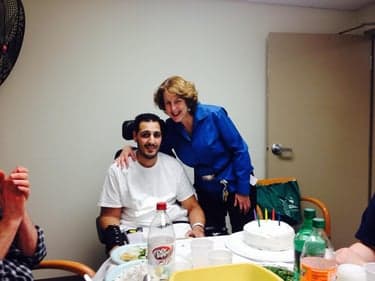
By 2012, I had become more comfortable with my life in America. After several years of working multiple jobs, I had gained experience, improved my English, and built friendships within my community.
I continued working at the convenience store in Glassboro, New Jersey, where I was given more responsibilities. The owner trusted me to manage many aspects of the business. I handled inventory, customer service, cash deposits, scheduling, food preparation, and daily operations. The store became like a second home.
At the same time, I continued my education by attending community college courses to improve my reading, writing, and communication skills. Education remained important to me because I believed it would create better opportunities for my future.
I also continued playing sports. Soccer remained one of my passions, and I joined local leagues where I played goalkeeper once again. Being on the field gave me energy and confidence. Sports had always been part of my identity.
After years of hard work, I was finally able to secure my own apartment through an affordable housing program in Paulsboro, New Jersey. For the first time in my life in America, I had a place that belonged entirely to me. It was only a one-bedroom apartment, but it represented independence, stability, and accomplishment.
I returned to Morocco during the summer of 2013 to visit my family and celebrate holidays with them. The trip reminded me of my roots and strengthened my connection to home.
When I returned to the United States, changes had taken place at the convenience store where I worked. The company had been sold to another owner, and my manager had left. Soon afterward, many employees, including myself, lost their jobs. Although disappointed, I refused to lose hope.
A friend from the Moroccan community introduced me to another convenience store in Pennsauken, New Jersey. The owner offered me a position almost immediately. I accepted. The overnight shift was once again from 7:00 p.m. to 7:00 a.m. I worked seven days a week. I managed inventory, prepared food, cleaned the store, handled the cash register, made bank deposits, counted lottery tickets, organized deliveries, and kept the business operating during the night. I believed I had finally found stability. I could never imagine that only a few months later, my entire life would change forever.
Twelve Bullets
January 10, 2014, began like any other workday. I arrived at the convenience store for my overnight shift. I was working alone, as I often did. The store was quiet, and business was slow.
Shortly after midnight, three masked men entered the store. One of them was carrying a gun. Only minutes earlier, I had closed the cash register and secured the money inside the safe. The robbers demanded that I open both the register and the safe immediately.
I tried to explain that the system required several minutes to reopen. I was nervous and frightened. As I attempted to enter the code, the gunman struck me in the head with the weapon, causing me to fall to the ground. The men believed that I was delaying them intentionally.
Several minutes later, the register finally opened. They took the money and stole cigarettes and merchandise from behind the counter. My phone began ringing. One of the robbers grabbed it and smashed it against the wall.
I attempted to stand, feeling dizzy from the blow to my head. Without warning, the gunman began shooting. Everything happened within seconds. I felt intense heat throughout my body as I collapsed to the floor.
The robbers fled the store, leaving me alone. I was lying in a pool of blood. I tried to crawl toward the telephone to call for help, but I could barely move my arms. At that moment, I believed I was dying. I prayed.
A customer entered the store and immediately called 911. Emergency responders arrived quickly and transported me to the hospital.
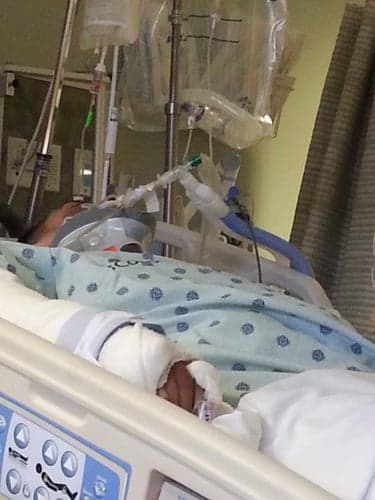
The following weeks remain difficult to remember. I spent three weeks in a coma. My parents and sister traveled from Morocco to be by my side. Many people in my hometown believed I had died. I had been shot multiple times, and my condition was critical.
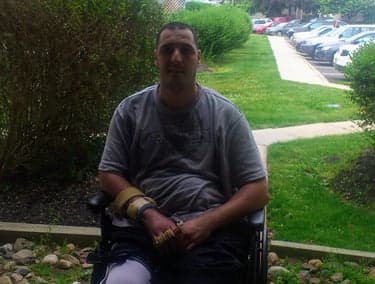
When I finally regained consciousness, my life had changed forever. I could not move my legs. I could barely move my right arm. The future that I had worked so hard to build suddenly disappeared. But my fight had only begun.
قصة حادثة عادل في امريكا — The Full Story: 12 Bullets, One Dream
The inspiring first-person account told directly by Adil Boutahli: surviving 12 bullets on January 10, 2014, coma, and his athletic rebirth.
Learning to Live Again
After leaving the intensive care unit, I was transferred for rehabilitation. My recovery required tremendous effort. For nearly a year, rehabilitation became my daily life.
Physical therapy, speech therapy, occupational therapy, and medical treatments filled my days. Every small movement became a challenge. At first, I could not speak properly. I could not move my legs. My right arm was severely affected. The therapists helped me relearn many activities that most people take for granted.
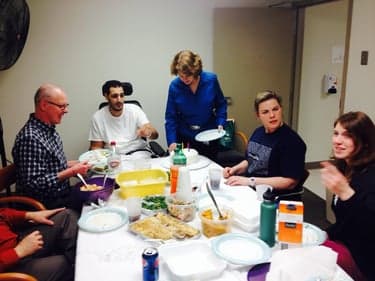
Every morning began with therapy sessions. I worked to strengthen my body, improve my speech, and regain as much independence as possible. The staff became like family. They encouraged me during difficult moments and celebrated every small achievement.
Despite the support, there were many emotional struggles. I experienced nightmares about the robbery. I struggled with fear, sadness, and uncertainty. I wondered what my future would look like: Would I ever work again? Would I ever play sports again? Would I ever live independently?
When the time came to leave rehabilitation, I felt both happiness and fear. The hospital had become my second home. Returning to my apartment felt like beginning life all over again. My mother remained by my side and helped me through the transition.
I continued receiving therapy at home and attended outpatient rehabilitation several days each week. I underwent additional surgeries and continued working toward greater independence. Although life had changed dramatically, I refused to surrender.
One day, my rehabilitation team introduced me to an adaptive sports program. The sport was wheelchair tennis. At that moment, I had no idea that tennis would eventually save my life and give me a new dream.
Rehabilitation Session #01: Standing Drills & Parallel Bars
Intensive physical therapy session at Magee Rehabilitation Hospital. Standing exercises and motor re-education with spinal cord injury specialists.
Rehabilitation Session #02: Neurological Physical Therapy & Motor Recovery
Upper body strengthening and daily functional motor re-adaptation to regain complete self-reliance and physical independence.
Discovering Wheelchair Tennis
After months of rehabilitation, my doctors and therapists encouraged me to participate in adaptive sports. At first, I was unsure. Before my injury, sports had always been part of my life. I had played soccer, tennis, handball, and track and field in Morocco. After the shooting, I believed that my athletic life had ended.
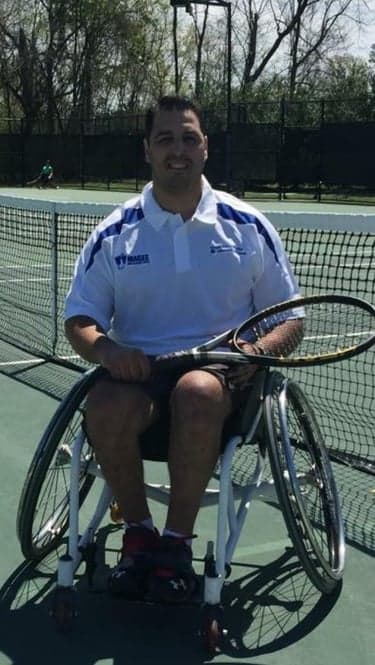
One day, I attended a wheelchair tennis program in Cherry Hill, New Jersey. I watched other athletes moving quickly across the court. They were smiling, competing, and enjoying themselves. For the first time since my injury, I saw people who faced challenges similar to mine living active and meaningful lives.
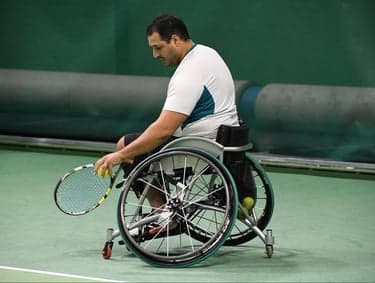
The first time I sat in a sports wheelchair and held a tennis racket, I felt nervous. Learning to move the chair and hit the ball at the same time was difficult. My body was still recovering. My right arm had suffered injuries, and my strength was limited.
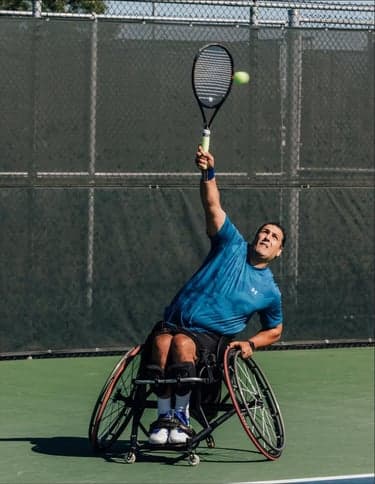
But I refused to quit. Each week I returned to practice. Slowly, I became stronger. My wheelchair skills improved. My confidence returned.
The tennis court became my therapy. It became the place where I forgot my pain. It became the place where I rediscovered myself.
I realized that my injury had not ended my athletic journey. It had simply changed it. Tennis gave me hope. Tennis gave me purpose. Most importantly, tennis gave me a reason to dream again.
The First Victories
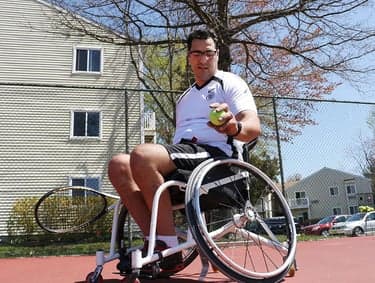
In August 2015, I played my first wheelchair tennis tournament in New Jersey. I was nervous. I had never competed in wheelchair tennis before, and I did not know what to expect. However, I remembered all the years I had spent playing sports in Morocco. The competitor inside me was still there.
When I entered the court, I felt excited. I played hard and reached the semifinals in the singles competition. My doubles partner and I won the doubles division. That moment changed my life: for the first time since the shooting, I felt like an athlete again.
Soon afterward, I competed in another tournament in Delaware. This tournament became another important milestone because I won both the singles and doubles competitions.
Those victories gave me confidence. I realized that my wheelchair did not define my limits.
I began traveling to tournaments throughout the United States. I competed in Florida, Texas, Michigan, South Carolina, Georgia, Virginia, Louisiana, Alabama, New York, and New Jersey. Each tournament taught me valuable lessons. Sometimes I won. Sometimes I lost. But every competition helped me improve.
The support from rehabilitation hospitals, coaches, friends, and sponsors allowed me to continue traveling and competing. I understood that wheelchair tennis had become much more than a sport: it had become my second chance at life.
Around the World
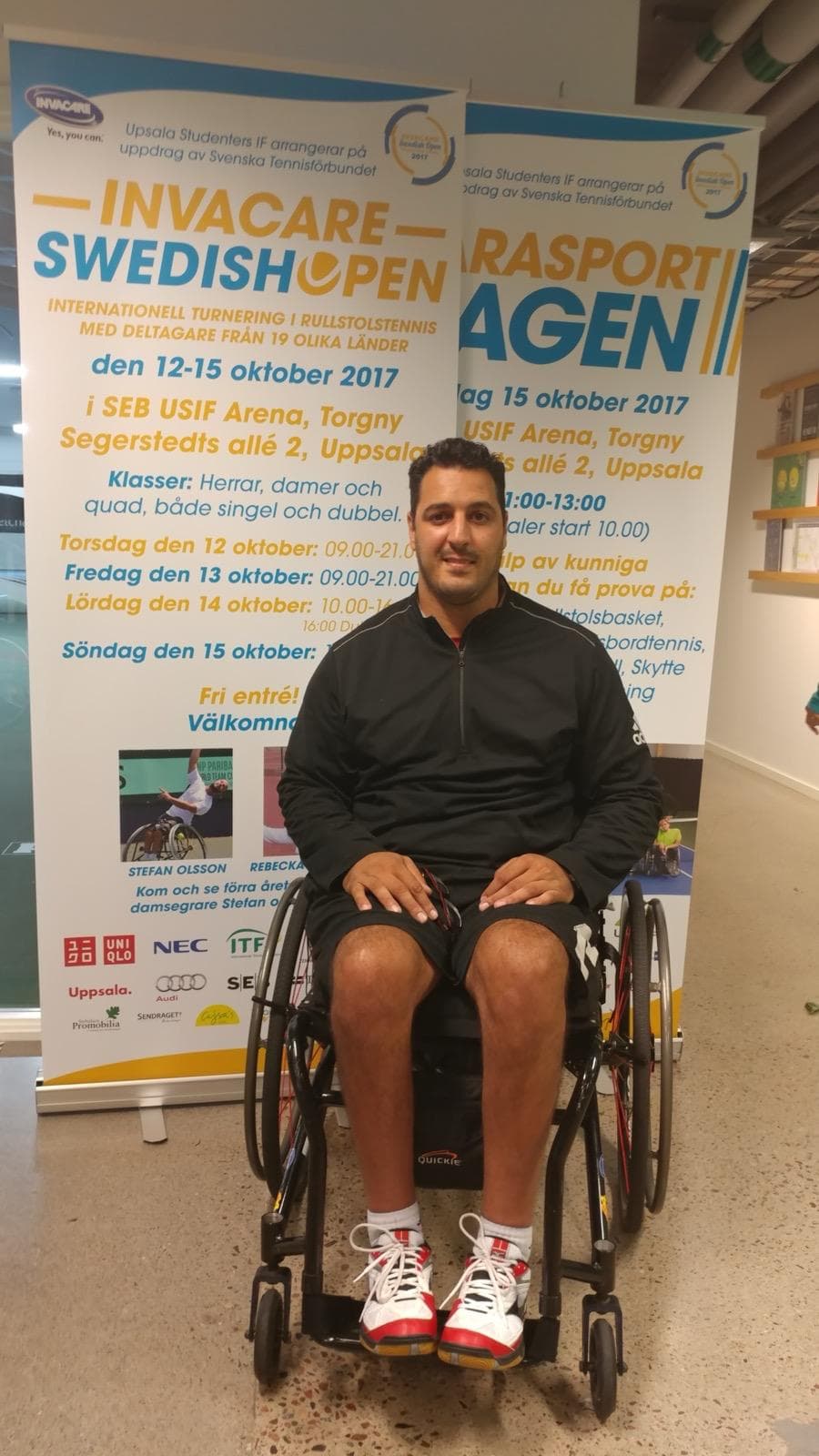
Wheelchair tennis opened doors that I never imagined possible. Before my injury, I had dreamed of traveling the world. After becoming paralyzed, I thought those dreams had disappeared forever. Tennis gave those dreams back to me.
As my ranking improved, I began competing internationally. I traveled to Sweden, France, Spain, Portugal, Switzerland, England, Canada, the Czech Republic, Colombia, Peru, and many other places.
Every trip was both exciting and challenging. Traveling as a wheelchair athlete requires patience. Airports, hotels, transportation, and accessibility can present obstacles. There were long flights, difficult schedules, and moments of fatigue. But each journey reminded me how far I had come: only a few years earlier, I had been unable to move my legs. Now I was traveling around the world as an athlete.
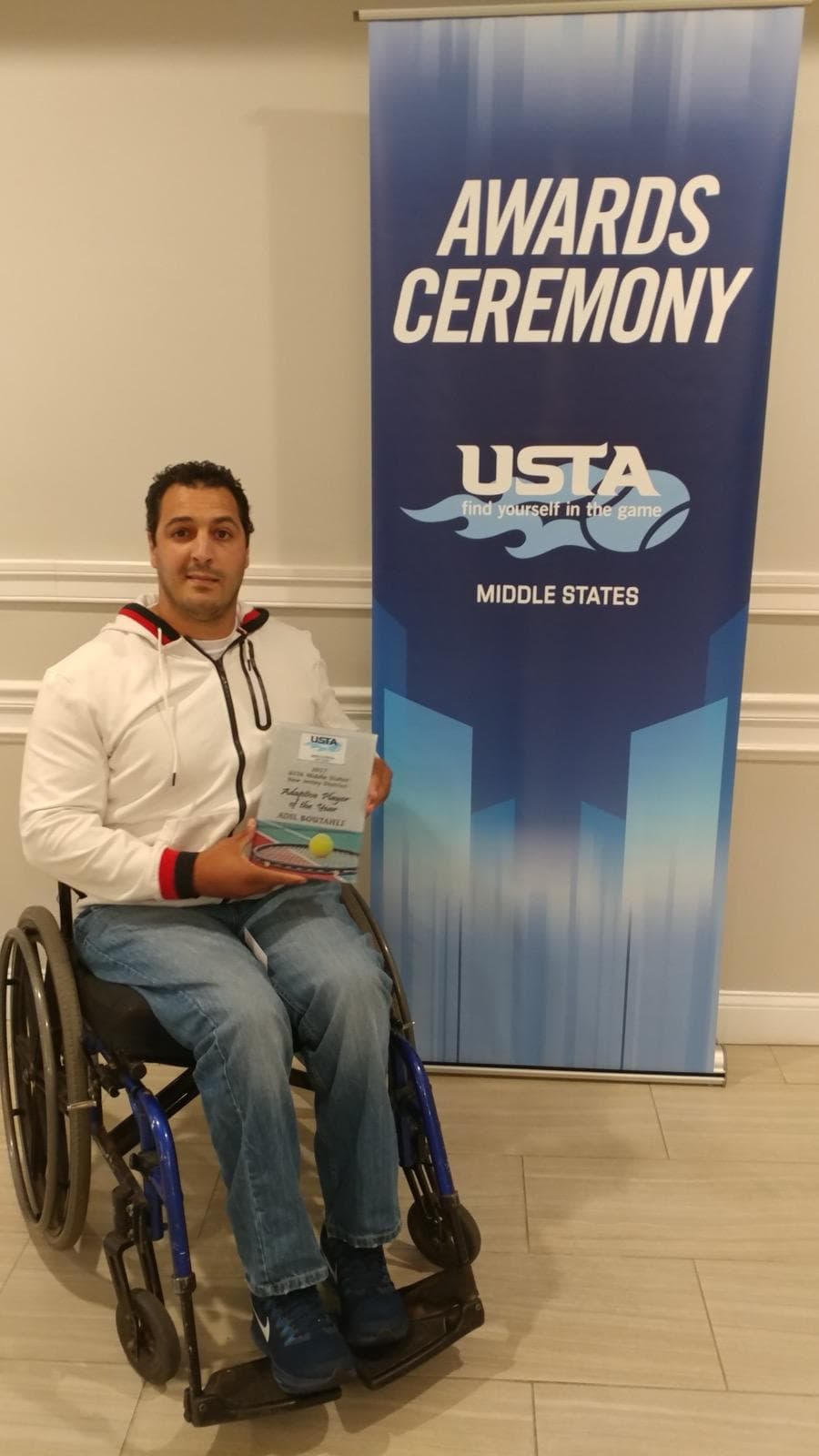
Through relentless determination, I achieved an official current world ranking of #116 ITF (Ranking Now, #118 internationally) and ranked #7 nationally in the USA, holding the #1 position in USTA Middle States and #1 in New Jersey. This accomplishment represented years of hard work, rehabilitation, and dedication.
However, the journey was not always easy. Years of pushing a wheelchair and competing placed stress on my shoulders, back, and arms. I experienced injuries, pain, and medical challenges. There were moments when I wondered whether I could continue competing.
But every time I stepped onto a tennis court, I remembered why I started: I wanted to prove that disability does not mean inability. I wanted to inspire others who faced difficult situations. My story was no longer only about me: it was about showing people that life can continue after tragedy. The world had become my tennis court. And my journey was far from over.
Education Never Stops
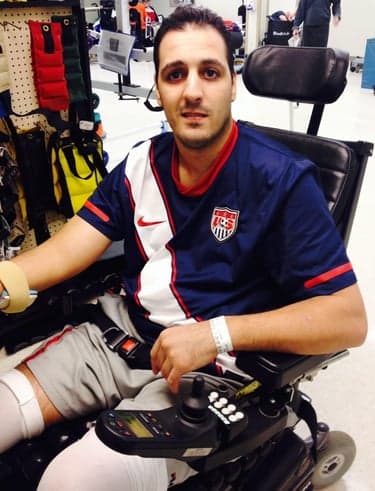
While wheelchair tennis became an important part of my life, I never forgot the importance of education. Before my injury, I had always believed that education created opportunities. After my injury, that belief became even stronger.
I wanted to prove to myself and to others that a disability would not stop me from learning, growing, and achieving my goals.
In 2016, I enrolled at Camden County College and pursued my Associate Degree in Business Administration. Returning to school after my injury was not easy. I had to balance classes, medical appointments, therapy sessions, and tennis training. There were days when I experienced pain, fatigue, and frustration. There were times when traveling to tournaments required me to complete assignments while staying in hotels or airports.
But I refused to give up. I successfully completed my Associate Degree and also earned my Substitute Teacher Certification in New Jersey.
My educational journey continued at Wilmington University, where I earned my Bachelor of Science degree in Business Management. Later, I completed a Human Resources Management certification. I also pursued graduate studies in Homeland Security.
Education became another form of rehabilitation. It strengthened my confidence. It helped me build new skills. It reminded me that my future still belonged to me. Many people see a wheelchair and assume limitations: I wanted my degrees to show that there are no limits to what determination and hard work can achieve.
Sports strengthened my body. Education strengthened my mind. Together, they helped rebuild my life.
The Road to Los Angeles 2028
Every athlete has a dream. Some dream of winning championships. Others dream of representing their country. My dream is to represent Morocco at the Paralympic Games.
The road to that dream has been filled with challenges. Training with a spinal cord injury requires discipline, patience, and determination. There are days when pain makes training difficult. There are times when injuries slow progress. Despite these challenges, I continue moving forward.
I train regularly. I compete in tournaments. I work to improve my ranking. I continue learning from every match. My goal is to compete at the highest level possible and pursue qualification for the Paralympic Games in Los Angeles in 2028.
This dream is bigger than tennis: I want to inspire others who face adversity. I want to show that life after tragedy is still possible. I want young people with disabilities to believe in themselves.
Throughout this journey, my family, coaches, therapists, friends, sponsors, and supporters have helped me continue fighting. Every practice. Every workout. Every tournament. Every mile traveled. Each one brings me closer to my dream.
The road is difficult, but the destination is worth it. The dream of Los Angeles 2028 continues. And so does my journey.
“On January 10, 2014, my life changed forever. Twelve bullets entered my body. I lost my ability to walk, but I never lost my hope. Wheelchair tennis gave me a second chance, education gave me purpose, my family gave me strength, and my faith gave me hope. The bullets changed my body, but they did not destroy my dreams. One dream. One life. One purpose. Twelve Bullets. One Dream.”
شكر وتقدير وعرفان
First and foremost, I thank Allah for giving me the strength and faith to overcome the challenges in my life.
I sincerely thank my parents for their love, sacrifices, and endless support throughout my journey. I also thank my sister for always believing in me and standing beside me during both the difficult and joyful moments of my life.
Special thanks to the doctors, nurses, therapists, and rehabilitation teams who helped save my life and guided me through my recovery.
I am grateful to my coaches, teammates, and the wheelchair tennis community for giving me a second chance through sport.
To my family, friends, and supporters in Morocco and the United States, thank you for your encouragement and prayers.
Finally, I thank every reader who takes the time to read my story. I hope this book inspires others to never give up and continue believing in their dreams.